
Beyond the Digital Brochure: Why Your Static Website is Costing You Leads in 2026
In 2026, the digital landscape has shifted beneath our feet. The traditional 'brochure' website—a static homepage that simply explains who you are and lists your services—no longer cuts it. Today's consumers make decisions quickly, carefully, and almost exclusively on the go, often while comparing half a dozen options simultaneously.
If your website isn't actively supporting this fast-paced decision-making process, it isn't just sitting idle; it's actively costing you business. To capture high-value leads today, your site must act as an interactive, high-performance business hub.
The Shift to the Interactive, Mobile-First Era
Modern web users expect clear information, instantaneous load times, and dynamic interactions. They don't want to dig through dense paragraphs of text to find out if your business can solve their specific problem. They want customized answers, fast.
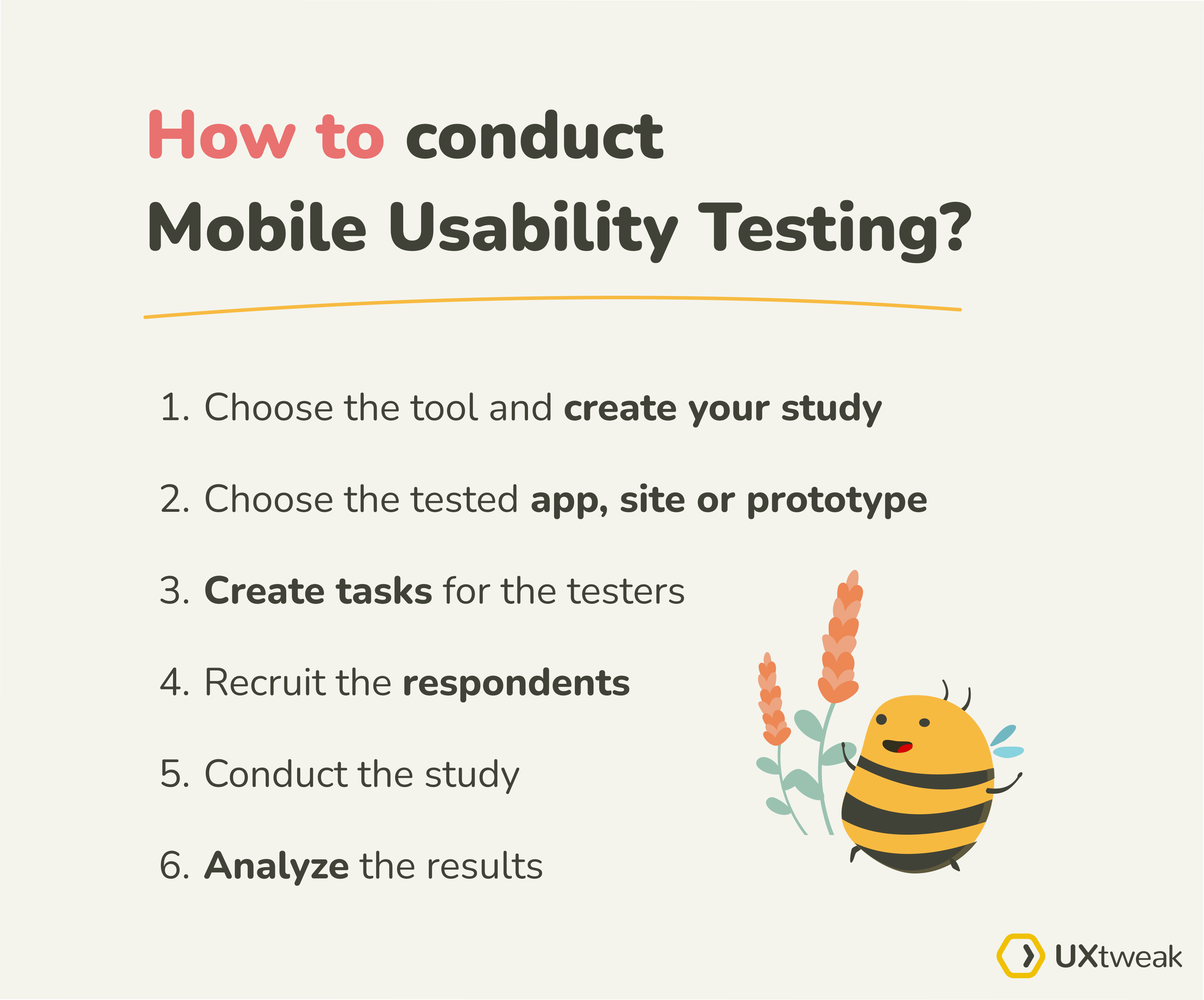
When a potential client visits your website from their phone during a quick break, they need an intuitive path from initial curiosity to final action. This is why interactive tools—such as instant pricing calculators, custom assessment forms, and personalized user paths—have replaced static forms as the highest-converting assets on the web.
The 3 Pillars of High-Performance Web Design in 2026
To build trust and secure conversions in today's competitive digital economy, your online presence must be built on three core pillars:
#### 1. Performance-First Speed & Security Website performance is no longer just a technical metric—it is a critical revenue driver. Research consistently shows that even a one-second delay in page load times can slash your conversion rates by double-digit percentages. High-performance design ensures your pages load instantly across all devices, capturing attention before a user can bounce to a competitor. Furthermore, prioritizing modern security and privacy-first tracking keeps customer data safe, directly boosting your brand’s credibility and search visibility.
#### 2. Accessibility as a Default Standard Inclusivity is no longer an afterthought or a legal checklist item. Designing an accessible website ensures that everyone—regardless of ability or device—can navigate your platform seamlessly. By auditing color contrasts, establishing logical layouts, and optimizing navigation menus, your brand displays a commitment to user-first design while simultaneously enjoying a massive boost in search engine rankings.

#### 3. Behind-the-Scenes Automation A great website should save your team time, not create more work. Modern web architectures allow for seamless integration with business tools, automatically piping form submissions into your CRM, launching personalized follow-up campaigns, and delivering real-time analytics on which services are driving actual revenue. Your website should be your hardest-working employee, running 24/7 without manual intervention.
Treat Your Website as a Living Growth Engine
The biggest mistake a growing business can make is treating a website redesign as a one-time project. Digital customer expectations change rapidly, and your website must adapt alongside them.
By building on scalable design systems and utilizing flexible platforms, you can easily roll out new features, run A/B conversion tests, and adjust your messaging based on real user behavior. Your website is a living growth engine that must be measured, refined, and optimized over time.
Partner with Luminoz for High-Impact Web Design
At Luminoz, we don't just build websites that look beautiful—we engineer high-performance platforms designed to scale your business. From lightning-fast loading speeds to intelligent, conversion-focused user journeys, we help premium small-to-medium businesses stand out and turn passive traffic into loyal, long-term clients.
Ready to elevate your online presence? Contact Luminoz today to schedule a performance audit of your current website and unlock your true growth potential.