Web Development in 2026: 4 High-Impact Trends Driving SMB Revenue
In 2026, a company website is no longer just a digital brochure—it is your most valuable sales engine and brand touchpoint. As consumer expectations shift toward instant responsiveness and frictionless interaction, small to medium-sized businesses (SMBs) must treat web performance as a core driver of revenue.
Whether you are losing potential clients to sluggish load times or struggling with low mobile conversion rates, staying ahead of modern web design and development trends is essential. Here are the four key trends shaping successful business websites in 2026 and how you can leverage them for maximum growth.
1. Instant Performance and Server-First Architecture
User attention spans continue to shrink, and search engines continue to prioritize ultra-fast digital experiences. A delay of even a single second can significantly decrease customer conversion rates and damage search visibility.
In 2026, leading web platforms are moving away from heavy client-side scripts and adopting server-first performance strategies. By rendering critical content instantly on modern edge servers before it reaches the user's browser, your website achieves lightning-fast page loads.
Why It Matters for Your Bottom Line:
Higher Search Rankings: Search engines favor websites with superior performance metrics. Increased Conversions: Instant page transitions keep visitors engaged, directly boosting lead generation and e-commerce checkouts. Reduced Bounce Rates: Users stay longer when pages load effortlessly across all device types.
2. Ambient UI and Mobile-First Micro-Interactions
Mobile devices generate the majority of global web traffic, making mobile responsiveness table stakes. However, modern users expect more than just a layout that scales down—they expect intuitive, ambient user experiences tailored to their exact context.
Trends in 2026 emphasize functional motion design and ambient interfaces. Micro-animations—such as subtle button responses, smooth layout transitions, and contextual search helpers—guide the visitor's eye naturally toward primary call-to-action buttons without overwhelming them.
Key Elements of Ambient Design:
Context-Aware Layouts: Customizing touch points based on user behavior and device type. Functional Motion: Using subtle animations to confirm actions and reduce cognitive friction. Minimalist Aesthetics: Eliminating clutter to highlight key value propositions and drive conversions.3. Strict Digital Accessibility and Inclusivity
Digital accessibility (ADA/WCAG compliance) has evolved from a progressive design choice into a strict business and legal baseline. Designing accessible digital spaces ensures that users of all abilities—including those with visual, motor, or cognitive impairments—can effortlessly navigate your site.
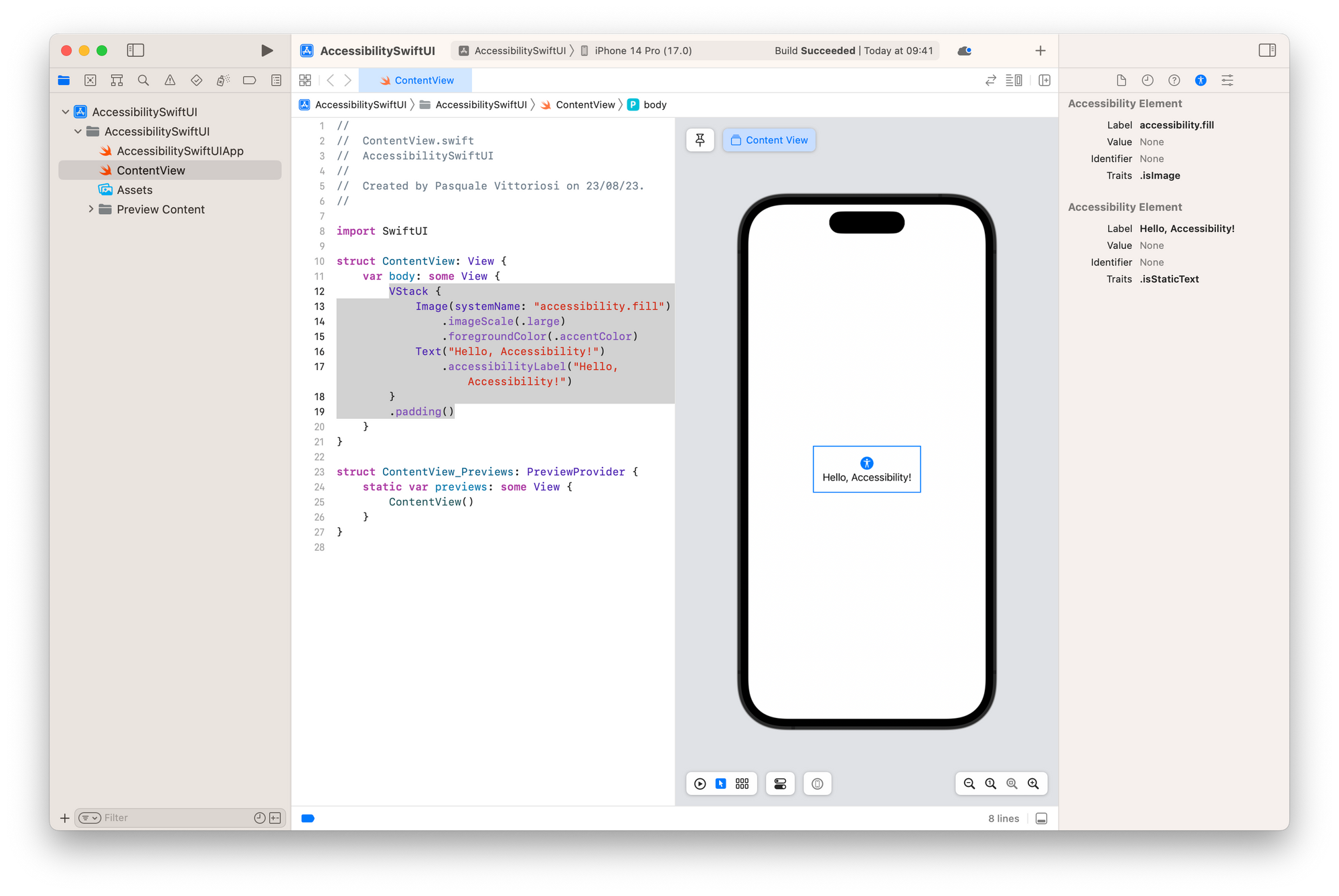
Benefits of Prioritizing Accessibility:
Expanded Market Reach: Tap into millions of potential customers who rely on screen readers or accessible navigation. Enhanced SEO Baseline: Accessible site structures, clean contrast ratios, and clear navigation naturally align with search engine indexing best practices.4. AI-Driven Workflows and Smart Personalization
Artificial intelligence has transformed how custom web platforms serve content. Modern agency workflows leverage smart automation to deliver dynamically personalized user paths based on visitor intent.
Instead of serving identical static pages to every prospect, AI-enhanced architectures allow websites to display relevant case studies, dynamic pricing options, or custom product recommendations in real time.
Accelerating Business Growth with Luminoz
Staying ahead in the digital landscape requires a strategic partner who understands both cutting-edge technology and business ROI. At Luminoz, we build custom, high-performance websites engineered for speed, conversion, and seamless scalability.
Is your website working as hard as it should? Contact Luminoz today to audit your current digital presence and discover how modern web design can drive measurable growth for your business.