
The Cost of Friction: How Modern Web Performance Directly Impacts Your Bottom Line
In today’s hyper-fast digital economy, your website is no longer just a digital brochure—it is your most active salesperson. Research shows that 50 percent of consumers consider web design crucial for a company’s brand image. When potential clients arrive on your site, they form an opinion of your operational excellence within milliseconds.
Yet, many small-to-medium businesses are still losing critical revenue to slow loading speeds, clunky mobile navigation, and outdated web architecture. Let’s explore the leading web development shifts of 2026 and how aligning your site with these trends can turn performance into profit.
1. Speed is Your Ultimate Conversion Tool
Every second your website takes to load, your conversion rates actively drop. With search engines prioritizing fast, desktop-class web experiences, slow-loading websites are penalized both by Google and by frustrated visitors.
Modern platforms are moving away from heavy, bloated templates toward server-first performance and edge computing. Put simply, instead of making a visitor's phone do all the hard work of loading a complex page, modern web engines process the page in the cloud and deliver it instantly. This results in lightning-fast load times, keeping users engaged and ready to buy.

2. The Move to Headless and API-First Architectures
Historically, changing the design of your website meant risking your entire database, product listings, or blog content. Today, premium agencies use headless and API-first architectures to separate the backend (your data and business logic) from the frontend (the visual layer your customers see).
For business owners, this offers several distinct advantages:
Unmatched Security: Because the front-facing website is separated from your central database, hackers have virtually no direct entry point. Complete Design Freedom: Your marketing team can update layouts, build custom landing pages, or redesign the brand without risking site crashes.
3. Inclusive Design and Legal Accessibility Mandates
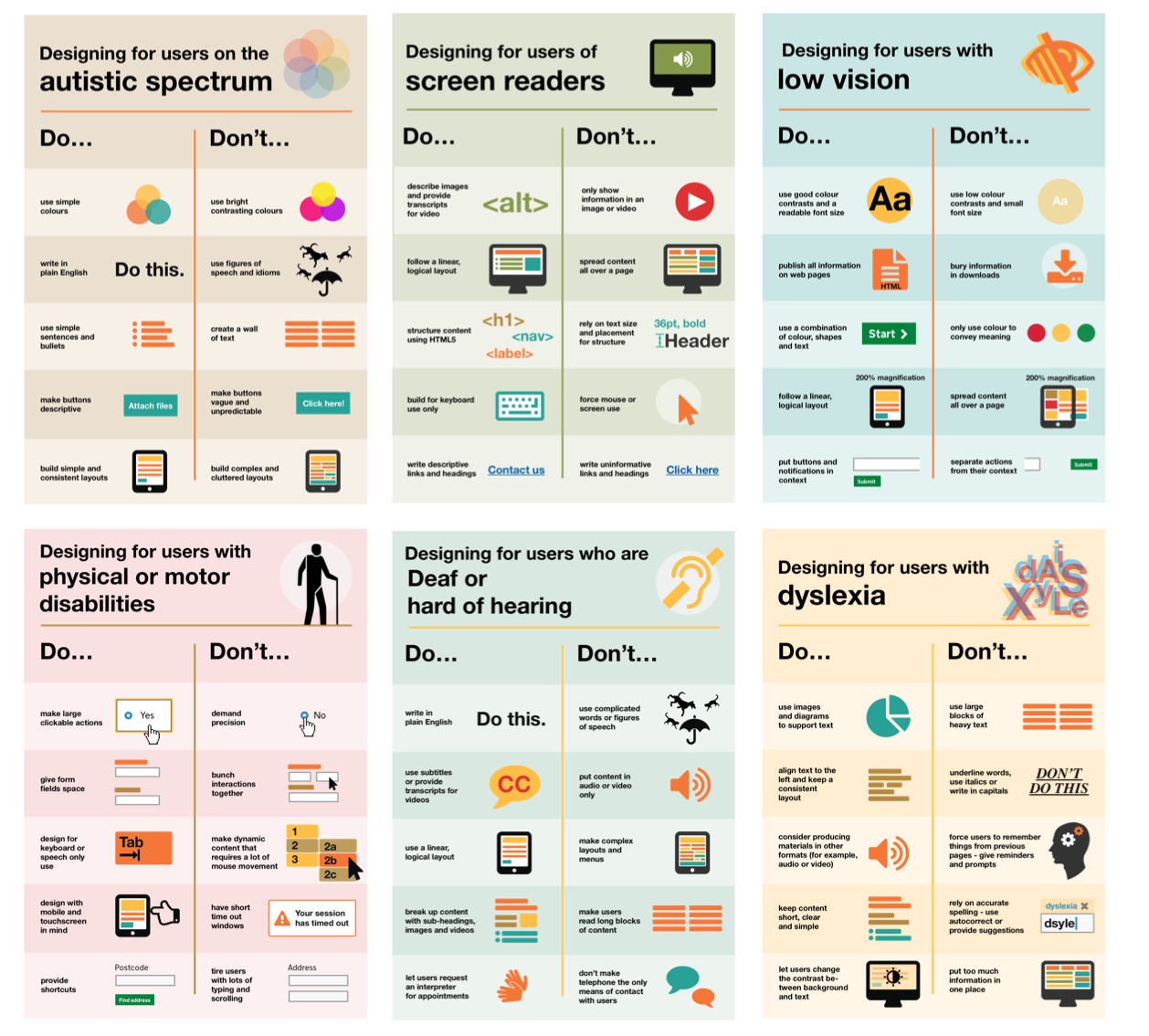
Designing for accessibility is no longer just an ethical choice—it is increasingly a legal mandate. Regulatory bodies globally are enforcing strict legal accessibility guidelines for business websites.
To ensure a seamless user experience for all, the trend is shifting toward clean, intuitive interfaces that avoid eye-strain, erratic motion, or jarring layout shifts. This includes auditing your website's colors for readable contrast, building straightforward navigation menus, and integrating subtle, functional motion design that guides the eye naturally rather than overwhelming it.
4. Scalable Foundations: Hybrid Systems
For businesses looking to retain ease of use while enjoying high-performance capabilities, hybrid setups remain incredibly powerful. Utilizing scalable, easy-to-use content management platforms like WordPress alongside highly optimized responsive designs allows businesses to save time and manage content independently, without sacrificing speed or security.
By prioritizing mobile responsiveness and streamlining complex workflows, modern web platforms ensure that every mobile tap, swipe, and scroll leads to a seamless, friction-free conversion.
Is Your Website Ready to Scale?
Your website shouldn't just exist—it should perform. At Luminoz, we build custom digital experiences optimized for speed, security, accessibility, and measurable growth. Contact our strategy team today to audit your current platform and unlock your website's true conversion potential.